Episode Summary: Screen Enclosures 101 with Mike
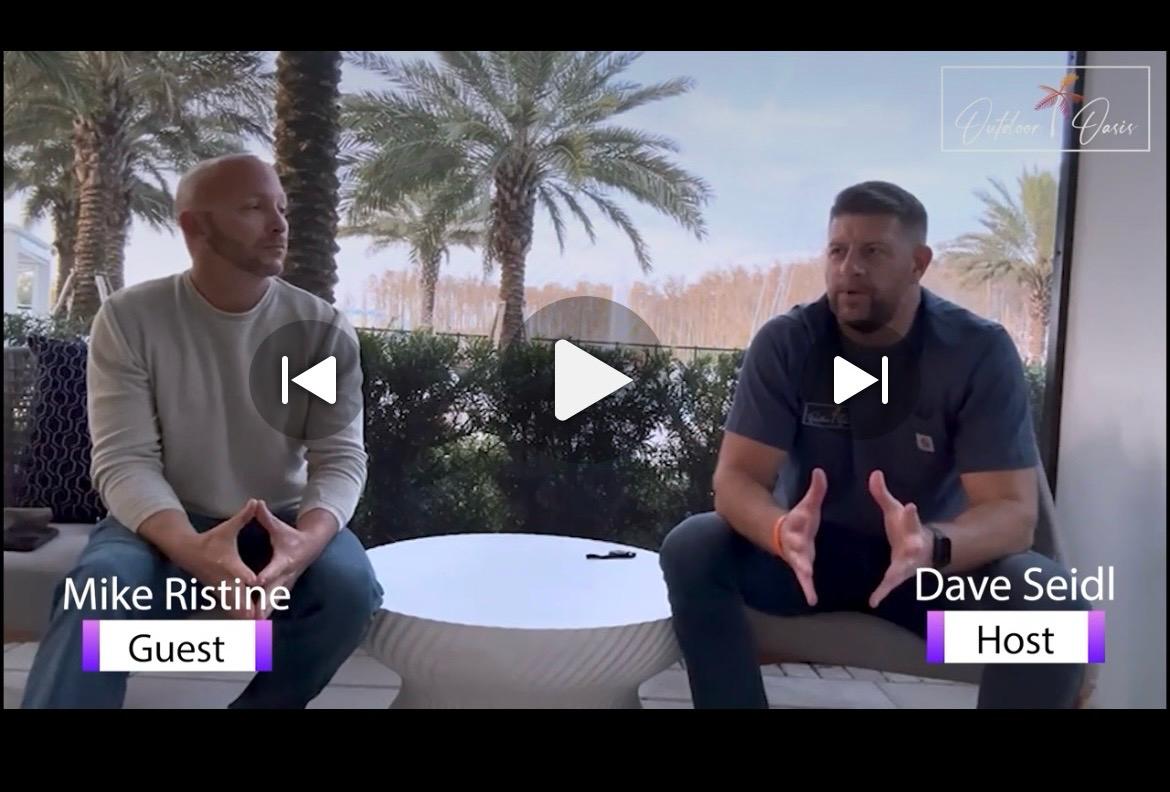
In this episode, Dave welcomes Mike, owner of Screen Innovations, to educate homeowners about screen enclosures and help them become better buyers when considering upgrades or modifications.
Mike shares his background, industry experience, and practical advice about screen systems, materials, durability, and what homeowners should look for when hiring a contractor.
👷♂️ Mike’s Background
Born and raised in Tampa, Florida
Joined the military for five years
Has been working in the screen industry since age 17
Started his own company around 2014
Locally owned and family-operated business serving the Tampa/Hillsborough area
Mike emphasizes hands-on experience and learning the trade early, which helped him develop deep knowledge of proper installation techniques and long-term durability.
Thinking About a New Screen Enclosure in Tampa, Florida? Here’s What You Need to Know
If you live in Tampa, Florida, you already know how valuable your outdoor space is. Between the Florida sunshine, backyard pools, waterfront views, and year-round entertaining weather, your lanai or patio is often one of the most-used areas of your home.
But with mosquitoes, no-see-ums, summer storms, and intense UV exposure, having the right screen enclosure makes all the difference.
If you’re considering a new screen enclosure — or modifying your existing one — here’s what you should know before making a decision.
Why Screen Enclosures Are So Popular in Tampa
Tampa homeowners deal with:
🌴 Heavy humidity and insect pressure
🦟 No-see-ums and mosquitoes, especially near water
🌧 Strong summer storms and hurricane season
☀ Intense sun exposure year-round
🏌️ Golf course and waterfront properties
A properly built screen enclosure protects your outdoor living space while still allowing airflow and visibility. But not all screen materials — or contractors — are equal.
Understanding Your Screen Options
1. Standard 18×14 Fiberglass Screen
This is the most common type of screen installed on Florida pool enclosures.
Budget-friendly
Allows excellent airflow
Good visibility
Lifespan depends on:
Sun exposure
Salt air (for coastal Tampa homes)
Pool chemicals
Pressure washing habits
Tree debris
Choosing a quality U.S.-made brand (like Phifer) can significantly increase durability compared to cheaper builder-grade imports.
2. 20×20 No-See-Um Screen (Great for Tampa Homes)
If you live near:
Water
Conservation areas
Golf courses
Wooded neighborhoods
This option may be worth considering.
Tighter weave blocks smaller insects
Reduces no-see-um problems
Helps prevent pine needles and debris from sticking through roof panels
Slightly higher investment but noticeably improves comfort
For many Tampa homeowners, this upgrade pays off quickly in usability.
3. Super Screen (High-Durability Option)
For homeowners wanting maximum strength and longevity:
Made from PVC instead of fiberglass
More resistant to tearing
Better for high-wind exposure
Ideal for golf course homes (golf ball resistance)
Typically about 30% more than standard screen
If you’re planning long-term and want fewer service calls, this can be a smart investment.
Important: Super Screen is more heat-sensitive, so grills and fire pits should always be positioned safely away from enclosure walls.
Considering a Panoramic Screen Upgrade?
If your Tampa home backs up to:
A lake or bay
Conservation land
A golf course
A scenic backyard
A panoramic screen conversion removes vertical posts to create a wider, unobstructed view.
These are especially popular in waterfront and golf communities.
However, structural modifications require:
Proper engineering
Hillsborough County permitting
Inspection approval
Never skip the permitting process. Improper structural changes can create serious liability issues during storm season or insurance claims.
Adding a Covered Roof Section
More Tampa homeowners are upgrading part of their enclosure with a solid roof system.
Benefits include:
Protection from heavy Florida rain
Shade from intense UV exposure
Ideal coverage for outdoor kitchens
More usable space year-round
A hybrid enclosure (screen + solid roof) offers flexibility while maintaining airflow.
How Long Does It Take?
Typical timelines:
Screen replacement: 1–2 days
New enclosure or structural modification: 2–4 days
Permitting: Can take several weeks depending on the municipality
Weather always plays a factor in Florida scheduling.
Questions Every Tampa Homeowner Should Ask
Before hiring a screen enclosure contractor, ask:
Are you licensed and insured in Hillsborough County?
Will permits be pulled?
What brand of screen material do you use?
What mesh count do you recommend for my location?
How long have you been installing enclosures in Tampa?
A quality contractor should welcome your questions — not avoid them.
Final Advice: Don’t Cut Corners in Florida
Your screen enclosure in Tampa faces:
Strong UV exposure
Wind and storm pressure
Heavy rain
Pool chemicals
Insect pressure
Cutting corners might save money upfront — but it often leads to premature failure.
Quality materials, proper installation, and correct permitting ensure your enclosure lasts for years.
🎯 Key Takeaways
Not all screen materials are equal — quality matters.
20×20 mesh helps with small insects and debris.
Super Screen offers durability but costs more.
Panoramic conversions require proper structural permitting.
Solid roof additions are becoming very popular.
Cutting corners leads to long-term problems.
A knowledgeable contractor should welcome questions.
Ready to Upgrade Your Outdoor Living Space in Tampa?
If you’re considering a new screen enclosure, panoramic conversion, or adding a covered section to your lanai, work with professionals who understand Florida codes, structural requirements, and long-term durability.
Your backyard should feel like an oasis — not a maintenance issue.